
Manual vs Automatic Driving Lessons: Which Should You Choose? | 2026
Manual vs Automatic Driving Lessons: Which Should You Choose?
Understanding Manual vs Automatic Driving Lessons
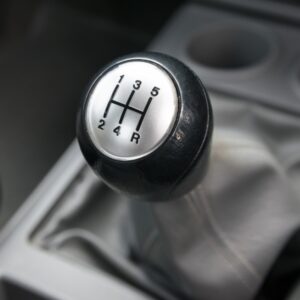 Choosing between manual vs automatic driving lessons is one of the most important decisions learner drivers face in the UK. The type of vehicle you learn in directly affects how you develop skills, how quickly you progress, and what licence you ultimately receive. While both options lead to a full driving licence, they differ significantly in complexity, cost, flexibility, and long-term benefits.
Manual cars require drivers to control gears using a clutch pedal and gear stick. Automatic cars, on the other hand, change gears automatically, allowing learners to focus more on steering and road awareness. For some learners, manual lessons feel more challenging at first because of clutch control and coordination. For others, automatic lessons provide a smoother and less stressful learning experience.
When comparing manual vs automatic driving lessons, it is important to think beyond just which one feels easier. Consider your future driving needs. Passing in a manual car allows you to drive both manual and automatic vehicles. Passing in an automatic restricts you to automatic cars only unless you retake the practical test.
Cost is another factor. Manual lessons are usually slightly cheaper per hour. However, some learners pass faster in automatic vehicles because they remove the complexity of gear changes. This means total learning costs can sometimes balance out.
Ultimately, the right choice depends on your confidence, coordination skills, and long-term goals. In this guide, we will break down everything you need to know about manual vs automatic driving lessons, helping you make an informed decision.
Learning Difficulty and Skill Development
When evaluating manual vs automatic driving lessons, difficulty is often the first concern. Manual driving requires coordination between clutch, accelerator, and gear changes. Beginners often stall the car while learning clutch control, which can initially feel discouraging. However, once mastered, manual driving becomes second nature and provides greater vehicle control.
Automatic vehicles simplify the learning process by removing clutch and gear responsibilities. This allows learners to concentrate fully on road positioning, mirrors, and hazard perception. Nervous drivers often feel more relaxed in automatic cars because there is less multitasking involved.
Manual driving develops stronger vehicle awareness. Because learners actively control gears, they gain a better understanding of engine behaviour, road speed, and mechanical feedback. This can create more confident drivers in varied conditions such as hills and motorway driving.
However, for city-based learners who mainly drive in traffic-heavy areas, automatic cars can reduce stress. Stop-start traffic is easier to manage without constant clutch control.
From a pass-rate perspective, some instructors report that learners in automatic vehicles may require fewer hours before test readiness. That said, passing ultimately depends on observation and decision-making, not gear changes.
Choosing between manual vs automatic driving lessons should consider your coordination level, patience during the learning phase, and how comfortable you feel managing multiple controls simultaneously.
Cost, Flexibility, and Long-Term Benefits
Another major factor in the manual vs automatic driving lessons debate is long-term flexibility. Passing in a manual car gives you the legal right to drive both transmission types. Passing in an automatic limits you to automatic vehicles only.
Vehicle availability is also relevant. Manual cars are still more common in the UK, particularly in used car markets. Automatic vehicles are becoming more popular, especially with electric cars, but manual options remain widely available.
Lesson pricing can vary. Manual lessons are generally slightly cheaper per hour. Automatic lessons sometimes cost more due to higher vehicle maintenance and demand. However, if a learner progresses faster in an automatic, overall expenses may be similar.
Insurance costs are not significantly different between transmission types, but your vehicle choice after passing can influence premiums.
From a career perspective, some employers may require manual licences for specific driving roles. Therefore, manual training provides greater employment flexibility.
Ultimately, comparing manual vs automatic driving lessons requires balancing short-term comfort with long-term benefits. Some learners prioritise ease and quicker test readiness. Others prioritise flexibility and broader driving permissions.
Which Option Is Best for You?
Deciding between manual vs automatic driving lessons depends on personal factors:
Choose manual if:
-
You want full licence flexibility
-
You feel confident handling coordination challenges
-
You want more vehicle options after passing
Choose automatic if:
-
You struggle with clutch control
-
You feel overwhelmed by multitasking
-
You mainly plan to drive automatic vehicles
There is no universally correct answer. The best option is the one that builds your confidence and allows consistent progress.
If unsure, some learners try a few sessions in each transmission before committing.
Conclusion
The debate around manual vs automatic driving lessons is ultimately about personal preference, confidence, and future driving goals. Manual training offers broader vehicle access and long-term flexibility. Automatic training offers a simpler learning curve and potentially quicker confidence building.
Both paths can lead to successful test results when supported by professional instruction and structured lessons. What matters most is consistency, preparation, and choosing the option that matches your learning style.
Still unsure about manual vs automatic driving lessons? Speak with our experienced instructors today and get personalised advice tailored to your driving goals.